
Workforce
From Military Skills to Marketable Talents: Why Drone Training Is on the Rise
2026-08-04
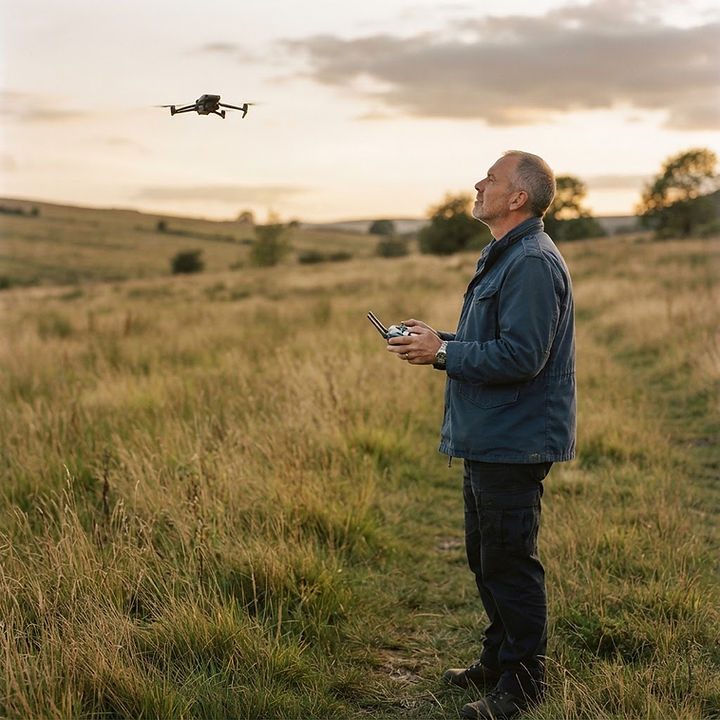
When veterans transition from military to civilian life, they bring with them a wealth of skills, discipline, and experience. But translating those capabilities into marketable talents in today's job market can be challenging. Enter specialized training programs that bridge this gap, with drone technology emerging as one of the most promising fields.
The perfect match: military experience and drone technology
The correlation between military service and drone operation is not coincidental. Veterans often possess a unique combination of skills that make them exceptionally qualified for careers in unmanned aerial systems.
Mission-oriented thinking: veterans understand planning, execution, and adapting to changing conditions, essential elements of successful drone operations. Technical aptitude: military service frequently involves working with complex systems and technology, creating a solid foundation for learning drone controls. Situational awareness: the ability to maintain awareness of your surroundings while focusing on a task translates directly to safe and effective piloting. A disciplined approach: following protocols, safety procedures, and regulatory requirements comes naturally to those with military backgrounds. And performance under pressure: commercial drone work often involves tight deadlines, complex environments, and high-stakes situations that veterans have navigated throughout their service.
"The skills veterans develop in the military, from operational planning to executing complex maneuvers with precision, create a natural pathway to success in the drone industry," explains David Noble, transition specialist at Operation Meraki. "We are seeing veterans not just adapting to this technology, but excelling and innovating within it."
A booming industry meets a skilled workforce
The timing could not be better for veterans entering the drone sector. According to Federal Aviation Administration projections, the commercial drone fleet in the United States is expected to exceed 850,000 units by 2028, creating urgent demand for qualified operators across multiple industries.
Infrastructure inspection covers utilities, bridges, cell towers, and other critical infrastructure that once required dangerous and costly manual inspection. Agriculture uses drones for precision farming, crop monitoring, and resource management. Public safety relies on them for search and rescue, disaster response, and emergency management. Construction uses them for site surveys, progress monitoring, and safety oversight. Real estate and cinematography depend on aerial photography and videography. And delivery services are building out package logistics.
This industry growth has created a skills gap that veteran-focused drone training programs are efficiently filling. With commercial drone pilot salaries ranging from $50,000 to well over $100,000 for specialized operations, the career path offers veterans both stability and growth potential.
Innovative training programs leading the charge
Vets to Drones is one of the largest initiatives, having trained over 3,000 veterans to date, with thousands more in the training pipeline. What makes the program particularly effective is its comprehensive approach: FAA Part 107 certification preparation and testing, hands-on flight training with commercial-grade equipment, specialized training in industry-specific applications, resume building and interview preparation, and direct connections to employers seeking drone pilots.
Tactical Fly Days simulate real-world drone operations using enterprise equipment like the DJI M300 and Zenmuse H20T thermal cameras. Veterans participate in scenarios that mirror commercial applications while building on their tactical awareness through live telemetry feeds and mission planning.
"Tactical Fly Days bridge the gap between military experience and civilian applications," says Michael Thomas, founder and executive director at Operation Meraki. "They allow veterans to see how their existing skills translate directly to commercial operations, while also building confidence with new technology."
The Veteran Technical Education Corps focuses on integrating drone operations with other technical skills veterans often possess: piloting and maintenance, data analysis and interpretation, mapping and modeling, integration with AI and machine learning tools, and business development for independent operators.
Beyond certification: creating pathways to employment
What makes these programs particularly effective is their focus on comprehensive career development beyond technical training.
Industry-recognized credentials matter. Programs like Clemson Drone's online curriculum offer not just basic drone certification but specialized credentials such as AUVSI Trusted Operator Program certification and thermography certifications that directly enhance employability and earning potential.
Employment networks matter just as much. Most successful veteran drone programs do not stop at training; they build the employer relationships that turn a certificate into a career.
Originally published at operationmeraki.org.